Address
75048 Gerald Ford Dr, Ste 101, Palm Desert, CA 92211
Work Hours
Monday to Friday: 24hrs
Weekend: 7AM - 11PM
Address
75048 Gerald Ford Dr, Ste 101, Palm Desert, CA 92211
Work Hours
Monday to Friday: 24hrs
Weekend: 7AM - 11PM
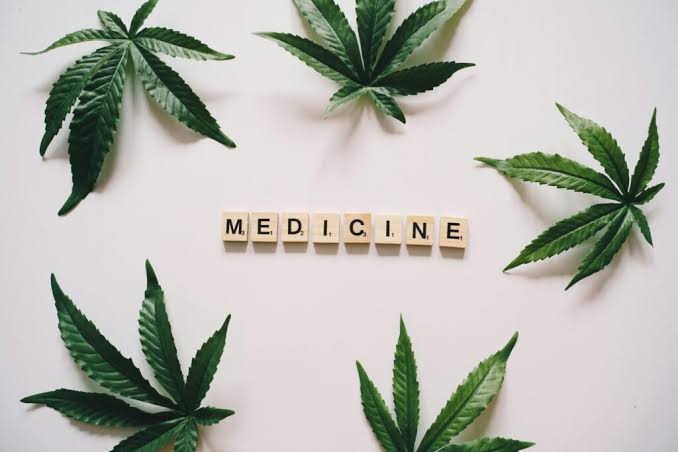
Benefits Cannabis as Preventative
Preventative care usually brings to mind things like exercise, sleep hygiene, and stress management — daily habits aimed at supporting long-term health rather than just treating problems after they appear. For a growing number of adults, cannabis has become part of that broader picture, used thoughtfully alongside other wellness habits rather than as a stand-alone fix.
It’s worth noting upfront that cannabis is not a proven treatment or prevention method for any specific disease, and research in this space is still developing. What follows is an overview of how and why some people are incorporating it into their routines.
1. Analgesic effect: Cannabis has proven anti-inflammatory qualities. Given that inflammation is the source or symptom of countless medical problems, cannabis offers a real alternative to potentially damaging prescription and over-the-counter remedies.
Different strains perform differently in various conditions and patients. But you can find a balanced THC and CBD that works best for you. They mitigate or eliminate cellular inflammation by interacting with the complex and widespread Endocannabinoid System (ECS).
2. Anti-emetic: Cannabis affects the smooth muscle tissue of the digestive system. Its natural influence on the muscular movement throughout the system reduces nausea and vomiting.
Cannabis stimulates the flow of anandamide, a fatty acid neurotransmitter known as “the bliss molecule.” Among its other functions, anandamide modulates digestion and the metabolic system. It has also been used successfully to reduce nausea and vomiting in patients in therapy for HIV/AIDS or going through chemotherapy.
3. Glaucoma: People suffering from glaucoma often face blindness as the fluid pressure builds in the eyeball to damage the optic nerve.
The American Glaucoma Society acknowledges, “It has been definitively demonstrated, and widely appreciated, that smoking marijuana lowers IOP [Interocular Pressure] in both normal individuals and in those with glaucoma and therefore might be a treatment for glaucoma.” They go on to point out that the effects of smoking marijuana only last three to four hours, but cannabis is now available in edibles, oils, and beverages that do not risk the negatives of smoking.
4. Anxiolytic: THC induces psychoactive events, which can be disturbing and paranoiac. But CBD has much the opposite effect. It soothes, calms, and tranquilizes.
Researchers believe CBD has an “entourage effect.” Unlike THC, it does not directly affect neural receptors. But, it works indirectly by modulating dopamine, serotonin, and cortisol. Recent studies find cannabis can relieve even the stress associated with PTSD.
5. Stroke: The American Council on Science and Health has concluded that frequent cannabis smoking may lead to ischemic stroke. But, the report also admitted that the results were flawed because most of the cannabis smokers studied were also tobacco smokers.
However, the Journal of Cerebral Blood Flow & Metabolism concluded that cannabinoid therapy reduced the amount of brain cells that were injured during stroke. The testing indicated that “cannabinoids serve as a neuroprotectant and may even stimulate the growth of brain cells in areas of damage or disease.”
6. Tumors: Cannabinoids help prevent the growth of cancerous tumors. The American Cancer Society says, “More recently, scientists reported that THC and other cannabinoids such as CBD slow growth and/or cause death in certain types of cancer cells growing in lab dishes. Some animal studies also suggest certain cannabinoids may slow growth and reduce the spread of some forms of cancer.”
Cannabis is anti-proliferative, halting the growth of malignant cells. It also prevents cells from metastasizing (i.e., moving from one part of the body to another). It cuts off the food supply to cancerous cells and triggers apoptosis (i.e., cancer cells fill themselves).
7. Dementia: Alzheimer’s Disease is a chronic neurodegenerative disorder associated with aging. But, cannabis-derived compounds slow the advance of the disease and improve the associated symptoms.
Alzheimer’s remains a mystery, but a buildup of plaque in and among the brain cells appears to be the cause. Specifically, something in the cannabis relieves the accumulation of amyloid protein. Cannabis works with the human endocannabinoid system to prevent buildup and inflammation within the brain cells.
8. Osteoporosis: THC and CBD help bone metabolism. Their chemistry manages the creation of new bone and cartilage cells to prevent or forestall osteoporosis and osteoarthritis.
The Annals of Medicine studied how the cannabinoids in cannabis interacted with CB2 receptors to stimulate bone formation and inhibit bone resorption.
9. Skin Damage: Cannabis has the anti-inflammatory benefits explained earlier, but it also has antioxidant powers that work transdermally. Creams, lotions, topicals, and makeup derived from cannabis will fight wrinkles and dry skin.
10. Sun Damage: THC creates a fat called sphingolipid ceramide. This lipid affects carbohydrate metabolism and detoxification in cells. It keeps skin cells alive, healthy, and resistant to melanoma.
Cannabinoids-infused suntan lotions block the UVB rays that damage the DNA of skin cells. Combined with SPF 50 factors and fragment emoluments, cannabis tanning lotion needs research that is denied by regulation. But, it does attract those who favor anything and everything green.
Predictability is a big part of what makes a wellness habit sustainable. A device designed for consistent draws, like those in the Besos Yart lineup, allows users to settle into a routine without constantly recalibrating dosage or technique, which can make daily or evening use feel more manageable over time.
For those exploring cannabis as part of a broader self-care routine, keeping simple notes on timing, mood, and sleep quality can help identify patterns. Whether reaching for a Besos Carts in the evening to unwind or a Besos Preroll during a slower weekend, tracking these small details over weeks (rather than single sessions) tends to give a clearer, more useful picture than judging any one experience in isolation.
Cannabis isn’t a cure-all, and it shouldn’t replace proven preventative health habits. For many adults, though, it has become one small piece of a larger self-care puzzle — used thoughtfully, in moderation, and alongside the basics that matter most for long-term health.